The Best CapCut Alternatives for Video Editing in 2026

CapCut had a wild run. It went from being a fun little mobile app to one of the most-used video editors on the planet, and for good reason. It's free, it's fast, and you don't need a film degree to figure it out. But 2025 shook things up in a big way, and heading into 2026, a lot of creators are asking whether CapCut is still the right tool for the job.
A lot of you have asked about this after the app faced potential bans and service interruptions in certain regions. Suddenly, people who built their entire editing workflow around CapCut were left scrambling. If that sounds familiar, you're not alone. Finding a solid backup plan is just smart at this point.
The good news is that the alternatives out there right now are genuinely impressive. Whether you edit on your phone, your laptop, or somewhere in between, there's a tool that fits how you work. Let's walk through the best options, what makes each one worth your time, and which one might actually be better than CapCut for your specific needs.
Mobile-first editors that actually hold up
If you're editing on your phone, you're probably used to CapCut's clean interface and one-tap effects. The closest competitor in that space right now is InShot. It's been around for years, but recent updates have made it feel much more modern. You get a solid timeline, text overlays, music syncing, and decent color controls without digging through menus. It's not as feature-packed as CapCut, but it's stable, reliable, and available in every region.
VN Video Editor is another one worth your attention. It's completely free with no watermark, which is already a big deal. VN handles multi-track timelines better than most mobile apps, and it has keyframe animation support, which lets you move and scale elements over time. That's a feature a lot of desktop apps charge money for. If you want more control without moving to a computer, VN is probably your best bet.
Then there's Splice, which was rebuilt from the ground up a couple of years ago. It's cleaner than it used to be and works really well for short-form content. The audio tools are surprisingly good too. Speaking of audio, if you want your videos to sound as good as they look, check out our piece on room tone vs. ambient noise because bad audio kills great edits every single time.
Mobile editing has come a long way. You're not sacrificing that much anymore by staying on your phone. But if you're ready to move up to desktop, the options get even better.
Desktop editors for creators who want more control
I personally think this is where things get really interesting. Desktop editors have always had more power, but in 2026 they're also getting a lot more accessible. DaVinci Resolve is still the gold standard for free desktop editing. The free version gives you a professional color grading suite, full audio mixing, and a timeline that rivals tools costing hundreds of dollars a year. Yes, there's a learning curve. But once it clicks, you won't want to go back.
I remember the first time I tried to color grade a talking-head video in Resolve. I spent an hour just figuring out where the export button was. But after a weekend of watching tutorials, it started to feel natural. If you want to understand what's actually happening when you adjust colors in any editor, our guide on color correction vs. color grading breaks it down in plain language.
Kdenlive is another free desktop option that deserves more attention than it gets. It's open source, works on Windows, Mac, and Linux, and has a timeline-based workflow that feels familiar if you've ever used Premiere or Final Cut. It's not perfect, but it gets updated regularly and the community support is strong. For creators on a tight budget, it's hard to beat free and fully functional.
If you're willing to pay a little, DaVinci Resolve Studio and Adobe Premiere Rush both offer things the free tools can't. Premiere Rush in particular is built for the content creator market, with easy social media export presets and a mobile companion app. It's worth noting that Rush has gotten quieter in Adobe's lineup lately, so keep an eye on whether it stays actively developed. For most creators, Resolve's free version covers everything they actually need.
Browser-based tools for quick edits anywhere
Not everyone wants to download software. Maybe you're on a work computer, or you switch between devices a lot. Browser-based editors have gotten shockingly capable in the last couple of years. Clipchamp is built into Windows 11 now and syncs with Microsoft accounts, which makes it easy if you're already in that ecosystem. It handles basic cuts, transitions, text overlays, and stock footage without breaking a sweat. It's not going to replace a full desktop editor, but it gets the job done for simple projects.
Runway is a different kind of browser tool. It leans heavily into AI-powered editing features like background removal, automatic captions, and motion tracking. If you're creating content that needs to look polished without a lot of manual tweaking, Runway is worth trying. The free plan is limited but enough to test whether it fits your workflow. Paid plans open up more AI credits and export options.
FlexClip and Kapwing are both solid middle-ground options. Kapwing is especially good for adding subtitles and captions quickly, which matters a lot for short-form content where most people watch without sound. When you do add text to your videos, it's worth thinking about placement and design. Our guide on lower thirds, chyrons, and title cards covers everything you need to know about getting that right.
The browser-based space is only going to grow. As internet speeds improve and cloud processing gets cheaper, these tools are going to feel less like compromises and more like first choices. For now, they're best for quick turnarounds and creators who don't need frame-perfect precision.
Ready to take the next step?
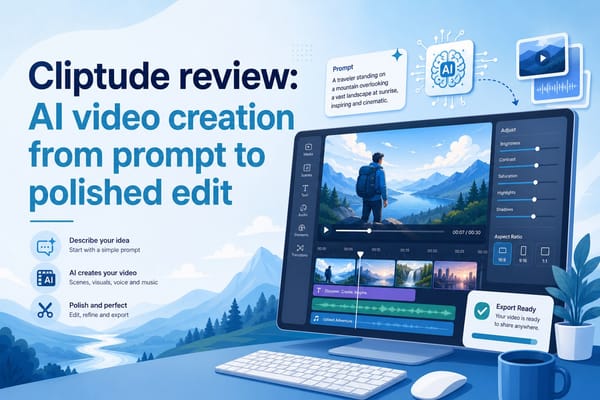
There are a lot of solid CapCut alternatives out there, and the right one really depends on where you edit, what you're making, and how much time you want to spend learning something new. Try a couple, see what feels natural, and don't be afraid to use different tools for different jobs. That's what most working creators actually do. If you've found a CapCut replacement that works great for you, drop it in the comments. And if you're looking for an all-in-one solution that handles your video projects without the headaches, check out Cliptude. It's built for creators who want real results without wrestling with complicated software, and it might just be the last editor you switch to.