Best Firecut AI Alternatives for Automated Video Editing

Firecut AI is a solid tool. If you've been using it to auto-remove silences, chop up your podcast recordings, or clean up long talking-head videos, you already know what it can do. But a lot of you have asked about this exact topic lately — what happens when Firecut doesn't quite fit your workflow, your budget, or the type of content you're making? That's a fair question, and it deserves a real answer.
Maybe Firecut's silence removal isn't as smooth as you'd like. Maybe you need better subtitle control, or you want a tool that actually understands what's happening in your footage instead of just scanning for audio gaps. Maybe you've outgrown it, or maybe you never quite clicked with it in the first place. Whatever the reason, there are some genuinely good alternatives out there right now, and they cover a wide range of use cases. Some are free. Some cost a little money. Some are so packed with features that you might end up using them for things you never expected.
This post is going to walk you through the best Firecut AI alternatives for automated video editing in real depth. I'll cover what each tool does well, where it falls short, and who it's actually built for. I've tested a handful of these personally, and I'll be upfront about which ones impressed me and which ones felt overhyped. I'll also get into the specific reasons why certain tools work better for certain content types, because "AI-powered editing" means very different things depending on whether you're running a podcast channel, a short-form brand account, or a documentary series. By the end, you should have a pretty clear idea of which direction makes sense for your setup.
What makes a good automated video editor
Before jumping into specific tools, it's worth talking about what actually makes an automated video editor worth using. Because "AI-powered" has become a marketing phrase that gets slapped onto everything, and not all of these tools deliver the same results once you get your footage into them.
A good automated editor should save you real time without forcing you to fix a bunch of mistakes afterward. That sounds obvious, but it's where a lot of these tools fall apart in practice. The silence removal has to be smart enough to know the difference between a meaningful pause and dead air. A speaker who takes two seconds to think before making an important point shouldn't get chopped out. Dead air after a sneeze should. Getting that distinction right requires more than just a basic audio threshold setting, and some tools handle it much better than others. When silence removal is done well, the resulting footage feels natural. When it's done poorly, you end up with a video that sounds like someone recorded it while jumping on a trampoline.
Jump cuts are another place where quality really separates the good tools from the average ones. A jarring jump cut pulls a viewer out of the moment, especially in talking-head content where there's no b-roll covering the edit. The best tools try to make those cuts feel invisible, whether that's through smooth audio cross-fades, a slight zoom effect on the cut, or intelligent timing that places edits at natural breath points. These small details add up fast when you're putting out several videos a week.
Subtitle generation matters a lot too. A lot of creators are using AI editors specifically because they want captions that sync properly without spending three hours on a transcript. If a tool's auto-captions are consistently wrong, or if the styling options are too limited, that's a real problem. Accuracy varies widely between tools, and it's not just about language. Accent recognition, audio quality handling, and the way the tool deals with technical vocabulary or brand names can all affect how much cleanup you have to do after the fact. For creators doing short-form content where captions are basically mandatory for performance, this feature can be the deciding factor all on its own.
Filler word removal is another core feature that sounds simple but has a lot of nuance. The word "um" at the start of a sentence is usually safe to cut. But "you know" in the middle of a passionate explanation might actually be part of someone's voice and rhythm. Over-aggressive filler word removal can make a speaker sound robotic or chopped up. The better tools let you preview removals before committing and give you control over the sensitivity level, so you're not just handing the whole decision over to the algorithm.
I personally think the biggest thing people overlook when choosing an automated editing tool is the export workflow. Some of these apps make it incredibly easy to get your footage in and out, and some of them make you feel like you're filing taxes. Things like whether the tool supports your preferred resolution, whether exports are fast or maddeningly slow, whether you can push directly to YouTube or have to download and re-upload, and how the files look when they come out on the other end — all of that matters in the day-to-day reality of using the tool. If you've already read our breakdown of the best CapCut alternatives, you'll know that export flexibility is something we consistently rate highly across all editing tools.
One more thing worth mentioning is how well these tools handle audio quality variation. Real-world footage doesn't always come in clean. You might have a guest who was recorded on a bad mic, or an outdoor interview with background noise, or a session where someone's connection dropped in and out. The better automated editors can work around a certain amount of that messiness. The weaker ones require near-perfect source audio before the AI features start doing anything useful. With all that in mind, let's get into the actual alternatives.
The top Firecut alternatives worth trying right now
Descript is probably the most well-known name in this space, and for good reason. The core idea behind Descript is that you edit your video like a document. You drop in your footage, the tool transcribes everything, and then you read through the transcript and delete the parts you don't want. The video updates automatically to match. This sounds simple, but it's genuinely a different way of thinking about editing, and it clicks fast for most people who try it. You're working in words instead of waveforms, which makes it much easier to find specific moments and make decisions without scrubbing through footage manually.
Descript also removes filler words with a single click, handles silence removal, and lets you clone your own voice for quick overdubs if you flubbed a line and don't want to record the whole section again. The voice cloning feature sounds gimmicky until the first time you actually use it to fix a mistake without re-recording, and then it feels like magic. The learning curve for Descript is low overall, which is rare for a tool with this many features. Most creators can get a usable rough cut out of it within the first session.
Where Descript sometimes struggles is with longer, more complex projects. If you're doing a short podcast clip or a YouTube video under twenty minutes, it handles things beautifully and the interface stays snappy. But I've had sessions where a longer recording started to feel slow and clunky inside the app, and some of the AI features would occasionally make odd cuts that needed manual cleanup, especially around music intros or sections with overlapping voices. The transcript accuracy is also dependent on audio quality, so if your recording wasn't clean to begin with, you'll be doing more correction work than you'd like. Still, for most creators doing talking-head or podcast content at a reasonable length, Descript is one of the strongest options available right now.
Veed.io takes a different approach and is built with social content creators clearly in mind. It's browser-based, which means there's nothing to install, and you can jump into a project from any machine. That kind of flexibility matters when you're working across devices or collaborating with someone else. The auto-subtitle feature is genuinely one of its stronger selling points. Veed gives you a lot of control over caption styling, including font, size, color, animation style, and placement, which is more than most tools in this category offer. For short-form creators who rely on captions to drive engagement, that level of control is worth a lot. You can match your captions to your brand aesthetic instead of just accepting a generic white font.
Veed isn't as focused on silence removal as Firecut is, but it covers the basics well enough for most use cases. Where it really shines is as a finishing and formatting tool. You bring your footage in, clean it up lightly, add captions, resize for different platforms, and export. That workflow is fast and intuitive. The trade-off is that it's not built for deep editing or long-form content. Trying to use Veed on a 90-minute podcast would feel like trying to do carpentry with a butter knife. But for social clips, brand videos, and anything under ten minutes, it's a genuinely capable and easy-to-use option.
AutoEdit 3 is worth mentioning specifically for documentary and interview-style creators. It uses AI to analyze speech and help you find the best moments in your footage based on keywords, themes, and emotional tone. You can feed it a long interview recording and tell it what topics you're looking for, and it'll surface the segments most relevant to your story. It's less of a one-click polish tool and more of an intelligent rough-cut assistant that helps you figure out what you actually have before you start making editorial decisions.
If you work with a lot of interview footage and spend ages scrubbing through recordings looking for the right quote, AutoEdit can genuinely cut that process down by a significant amount. It's not as visually polished as Descript or Veed, and the interface feels a bit utilitarian, but it solves a real problem that most automated editors don't even attempt to address. Creators doing faceless YouTube documentaries might find it especially useful during the research and assembly phase, when the goal is to figure out structure before worrying about polish.
Opus Clip has exploded in popularity over the last couple of years, and it's built specifically for one thing: turning long videos into short clips. You drop in a YouTube video, a recorded livestream, or a podcast session, and the AI analyzes the content and picks out moments it thinks will perform well on TikTok, Instagram Reels, or YouTube Shorts. It also adds animated captions automatically and even gives each clip a virality score based on factors like pacing, emotional peaks, and hook strength. The results aren't always perfect, and sometimes the clips it picks feel like they were chosen randomly, but when it works well, it really works. A single 60-minute recording can turn into ten or fifteen usable short clips in the time it would take you to manually watch through the footage once.
The thing that makes Opus Clip particularly useful is how much time it saves in the decision-making phase. Finding the moments worth clipping from a long video is one of the most tedious parts of repurposing content, and having an AI do the first pass means you're evaluating and approving clips rather than hunting for them from scratch. You still need to review everything and throw out the bad picks, but that's a much lighter lift than starting with a blank timeline.
Runway is in a slightly different category because it goes beyond editing into full AI generation and visual effects. You can remove backgrounds without a green screen, use generative fill to extend the edges of a frame, apply motion brush effects to specific objects in a scene, and generate short video clips from text prompts. It's genuinely impressive technology, and the team updates it constantly with new capabilities. The production value of what you can create with Runway goes well beyond what most automated editing tools touch.
The trade-off is that Runway isn't really built for the core tasks that Firecut handles, like silence removal, transcript-based editing, or caption generation. It doesn't try to be that. Think of Runway as a creative effects and generation layer that sits on top of your editing workflow rather than a replacement for it. If you're making visually ambitious content and you want to do things that would have required expensive compositing software a few years ago, Runway is worth exploring seriously. But if your main problem is that editing your talking-head videos takes too long, it won't solve that problem.
How to choose the right tool for your content type
Picking an alternative to Firecut really comes down to what kind of videos you make and where your editing pain points actually are. There's no single tool that beats every other tool in every situation, so it helps to be honest with yourself about what takes up the most time in your current editing process before you start testing anything.
Start by thinking about your content format. If you make long-form talking-head content, podcast clips, or interview videos where most of the edit involves cleaning up speech and removing dead air, Descript is probably your best starting point. The transcript-based editing model fits that kind of work naturally, the filler word removal is solid, and the voice cloning feature can save you real time on re-recording fixes. You can take a 40-minute raw recording, drop it into Descript, clean up the transcript in about twenty minutes, and have something that's 80 percent of the way to a finished edit. That's a genuinely different pace than traditional editing.
For creators who focus on short-form content and want automatic repurposing from longer videos, Opus Clip makes a strong case for itself. The sweet spot for Opus Clip is someone who's already putting out long YouTube videos or podcast recordings and wants to squeeze more reach out of that content without spending hours manually creating clips for TikTok or Reels. Drop in your video, let it run, review the clips it suggests, approve the good ones, and post. If you're doing this even twice a week, the time savings are substantial over the course of a month.
If captions and visual styling matter a lot to your brand, Veed.io gives you more control than most tools in this price range. This is especially true if you're posting content across multiple platforms with different formatting requirements. Veed makes it easy to resize a video and adjust the caption layout for each destination without starting from scratch every time. For a solo creator managing multiple channels or a small team handling brand social content, that kind of workflow efficiency adds up fast.
I remember the first time I tried one of these AI editors on a 45-minute interview recording. I'd been manually scrubbing through the footage for what felt like forever, listening for the parts that were actually good and worth keeping. When I dropped the same file into an automated tool and got a rough transcript edit back in a few minutes, I was genuinely surprised at how much of the thinking it had already done for me. Not because it was flawless, it wasn't, but because even having a rough cut assembled automatically meant I was starting from 60 percent done instead of zero. That shift in starting point changes everything about how draining the editing process feels at the end of a long day.
If you're working on more complex content with b-roll, multiple camera angles, scripted sequences, or heavy visual storytelling, you might actually want a traditional editor with some AI assist features layered on top rather than a fully automated tool. Fully automated editors are best when your footage is mostly talking or audio-driven. The more visual your content is, the more decisions involve timing, pacing, and creative judgment that an algorithm isn't well-equipped to make on your behalf. We've covered a bunch of those options in depth before, including in our guide to the best Final Cut Pro and iMovie alternatives, which is worth reading if you want that kind of flexibility without giving up editorial control.
Budget is the other piece of this that's worth thinking through carefully. Descript has a free tier that's useful for testing but limits your exports and clips the length of projects you can work with. It's enough to get a real feel for the tool, but you'll hit the ceiling quickly if you're producing regularly. Veed.io is affordable for most solo creators and has a straightforward pricing model that scales with usage. Opus Clip charges based on how many minutes of video you process, which is fine if you're doing occasional repurposing but can add up fast if you're running a lot of long footage through it every week. Runway is priced more toward studios and power users who need the more advanced generation features and are getting clear value from them at scale.
None of these tools are expensive in the grand scheme of video production costs, especially compared to what it would cost to hire an editor. But it's still worth mapping out what you actually need before paying for a plan with features you won't use. The best approach is to take a free trial wherever it's offered, run your actual footage through the tool rather than demo footage, and see how the output looks and feels before you commit to anything. Pay attention to how long the processing takes, how accurate the captions or transcript are on your specific audio, and how much cleanup work the output still needs. That real-world test will tell you more than any feature comparison chart.
Ready to take the next step?
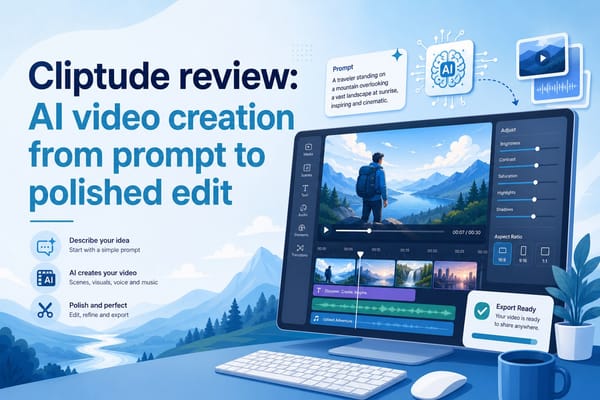
If you've been hunting for the right automated editing tool and nothing has clicked yet, it might be time to take a look at Cliptude. Cliptude is built for creators who want smart, fast editing without a complicated learning curve or a bloated feature set. It handles the stuff that slows you down the most — silence removal, captions, rough cut assembly — so you can spend less time in the timeline and more time actually making content. Whether you're coming from Firecut or trying an AI editor for the first time, it's worth running your footage through and seeing what comes back. Drop a comment below and tell me which Firecut alternative you've tried, or which one you're thinking about testing next. I read all of them, and your feedback genuinely helps shape what we cover next.